
Stop “Freeing” Us

Dublin, 4:12 a.m., Suhoor | Gaza, 6:12 a.m., before school
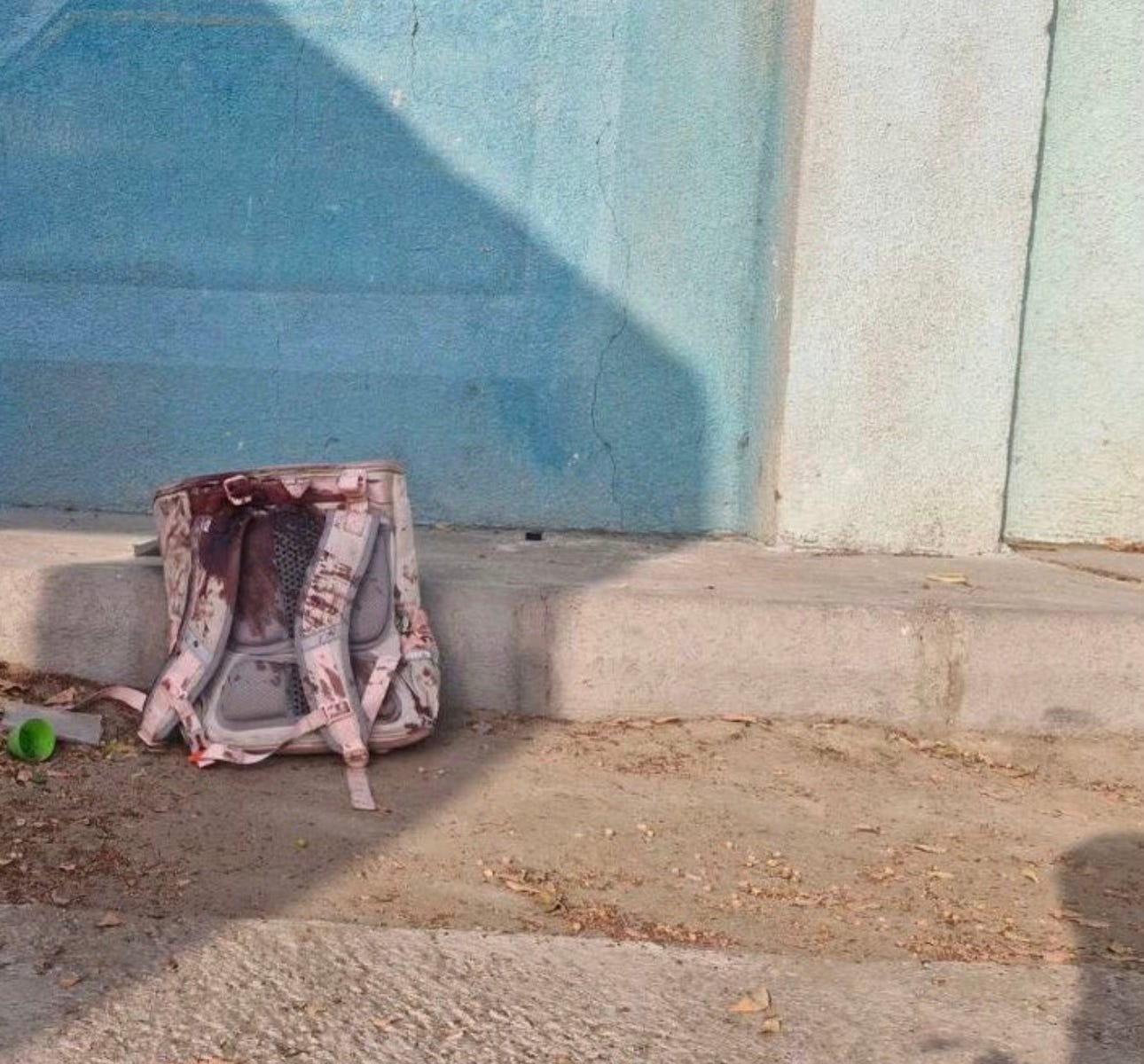
The call to my aunt breaks three times before it holds, and even then it holds for less than a minute. When she answers, I hear the generator and the soft collision of plates in the sink while someone asks where their shoes are, and I am reminded that the little ones are starting school this year. In our family that used to mean photographs, new backpacks arranged the night before, my aunt turning the first day into something ceremonial. She organized picnics, Ramadan decorations, Eid shopping, and made childhood feel expansive even when everything outside was shrinking.
Now she remains in Gaza, grieving her daughter-in-law and grandchild who were killed in an Israeli airstrike, while walking the two surviving grandchildren to a private school that exists because public schools have become shelters for the displaced. Education has been privatized by rubble; it gives teachers income, yes, but it is unregulated, expensive, uncertain. Survival has become an economy, and even childhood has a tuition fee. She was not left behind because of bureaucracy but because she refused to leave, and that refusal is a form of courage I am not certain I possess. Each morning she steps over broken pavement with a child’s hand in hers and carries on as if normal is still available.
The children still go to school because everything changed and nothing did.
It is Ramadan, and she tells me that a kilo of sweet pepper costs 100 shekels. In Dublin it costs €7.45. My aunt lives in a more expensive reality than I do while living under drones, under siege, inside what much of the world still debates naming. They call it a ceasefire even though the siege remains intact, fuel is rationed, fishermen are shot at for trying to bring food home, and airstrikes continue across the north, the city center, and the south.
They call this peace, but peace cannot mean control over movement, water, electricity, borders, and trade while the other side is instructed to be grateful for an occasional pause in bombardment. When domination remains intact, the word peace becomes performance. What remains is containment, and containment compresses pressure until rupture becomes inevitable. Exactly as before October 7, nothing structural shifted.
Nothing changed in who controls the sky. Nothing changed in who controls the borders.Nothing changed in whose grief is televised and whose is debated.
When my aunt tells me about the children’s school day, I think about another classroom and of small backpacks hanging from hooks, the kind my child shrugs off at the door. From there my mind goes to the Shajareh Tayyebeh girls’ elementary school in Minab, Iran, where Israel and the United States launched a double-tap strike that killed more than 100 schoolgirls; the first hit them at their desks and the second struck those who ran toward the first. I try to imagine the sound of that second strike, and my mind refuses it. Governments may argue over language and responsibility, but the image remains unbearable: a classroom reduced to dust while rhetoric about protecting women circulates in press briefings. The distance between Gaza and Minab collapses once you understand that the logic travels faster than geography.
This pattern did not begin yesterday. In 1970, Israeli occupation jets bombed the Bahr al-Baqar primary school in Egypt, killing 46 children, and the explanation offered then was “military error.” Decades later the vocabulary has evolved, but the logic feels the same. Afghanistan was framed as rescuing women. Iraq was framed as delivering freedom. Iran is framed as saving girls even while killing them at school. The words adjust just enough to sound progressive while the graves remain consistent.
The mechanism is not subtle. Military aid packages pass with bipartisan applause, arms manufacturers report record profits, and the same governments that fund the bombs fund panels on girls’ education. Speeches and shipments move in parallel.
Western feminism often fills streets and social media feeds when symbolic acts are required. Bodies are bared in protest, hair is cut in solidarity, slogans travel quickly across borders. But when bombs are funded, when weapons are shipped, when schools collapse under airstrikes, the streets grow quieter. It is easier to confront patriarchy in theory than to confront militarism in practice. Liberation becomes aesthetic when it is safe and political when it costs nothing. My aunt does not have the luxury of aesthetic resistance, she measures resistance in vegetables she can still afford and in whether the children return home from school.
As a Palestinian woman, I do not need liberation delivered by fighter jets or sanctioned by governments financing destruction. I need my aunt to buy vegetables without calculating scarcity, children to attend school without displacement becoming the price of a desk and Ramadan to sound like prayer instead of Israeli explosions. Her call still cuts in and out, and when the line drops I hold my breath until it reconnects, a silence that tightens in my chest before it releases.
I should not be this practiced at describing catastrophe, yet here we are.
Nothing changed, but we see each other clearly. From Gaza to Iran to Lebanon to Yemen, we recognize the pattern because it reaches our children before it reaches your headlines. We do not need saving; we need you to stop calling this protection while our homes collapse.
Withdraw your weapons and your narratives.
May “liberation” stop arriving in the shape of weapons.